Exploring the Rich World of Tabletop Games
Tabletop games have captivated players for centuries, serving as a source of entertainment, strategy, and social interaction. From classic board games to modern role-playing adventures, the diversity in tabletop games is vast and ever-expanding. In recent years, the popularity of tabletop games has surged, drawing in players of all ages and backgrounds. This resurgence can be attributed to the blend of traditional gameplay mechanics with innovative designs and themes.
The Evolution of Tabletop Games
The history of tabletop games dates back thousands of years, with the earliest known game, "Senet," played by the ancient Egyptians. Over the centuries, many cultures developed their own unique games, each with distinct rules and objectives. The 20th century marked a significant turning point with the widespread production of popular board games such as "Monopoly," "Scrabble," and "Risk." These games set the stage for the modern era of tabletop gaming, which has seen a surge of interest in designing and publishing new games.
In the contemporary landscape, there's a tabletop game for every taste. While family games and educational games remain staples, modern tabletop games explore a variety of themes and mechanics, ranging from economic strategy to collaborative storytelling. The advancement of technology has even introduced hybrid board games that use apps or online components to enhance the gaming experience.
The Appeal of Tabletop Games
Several factors contribute to the enduring appeal of tabletop games. One of the primary reasons is their ability to bring people together in a social setting. Whether it's gathering around a board game at a family gathering, a casual meetup with friends, or an organized tournament, tabletop games promote interaction and engagement. Players often enjoy the opportunity to disconnect from digital devices and immerse themselves in a shared experience.
Furthermore, tabletop games are celebrated for their strategic depth and creative storytelling. Many games require players to think critically, plan ahead, and adapt strategies as the game progresses. This mental challenge is appealing to players who enjoy testing their analytical skills or diving into complex narratives. Role-playing games (RPGs) like "Dungeons & Dragons" allow players to create detailed worlds and characters, offering a rich tapestry of possibilities in every session.
Genres and Styles in Tabletop Gaming
Tabletop games are categorized into various genres and styles, each offering distinct experiences. Here's a look at some popular types:
Board Games
Board games often serve as the foundation of tabletop gaming, offering varied gameplay mechanics on a structured board. Classic examples such as "Chess" and "Checkers" rely on tactical maneuvering, while modern hits like "Settlers of Catan" and "Ticket to Ride" introduce resource management and strategic development.
Card Games
Card games appeal to those who enjoy managing hands and leveraging probability. Games like "Poker" and "UNO" are household favorites, but the genre also includes deck-building games such as "Dominion" and collectible card games like "Magic: The Gathering." These games require players to carefully consider their cards and craft effective strategies.
Role-Playing Games (RPGs)
RPGs immerse players in complex narratives, allowing them to assume the roles of fictional characters. As mentioned earlier, "Dungeons & Dragons" is a pioneer of this genre, offering players collaborative storytelling experiences rooted in fantasy worlds. RPGs provide a platform for creativity and improvisation, making each gaming session unique.
Miniature Games
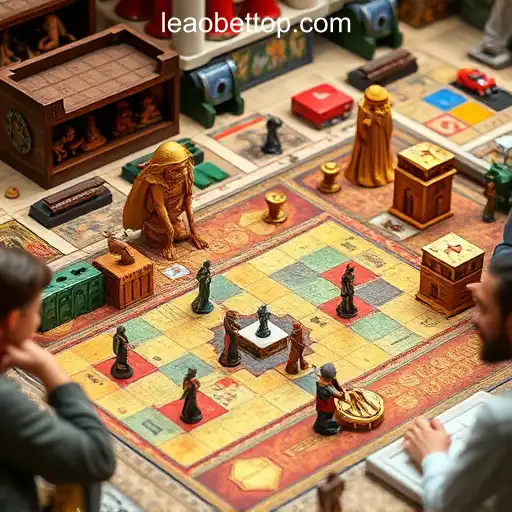
Miniature games, such as "Warhammer 40,000," offer tactile strategy experiences using detailed figurines on intricately designed tablescapes. These games invite players to engage in complex battles, setting the stage for epic confrontations and strategic planning.
As tabletop gaming continues to grow, it's not just about entertainment; these games also foster important skills like critical thinking, collaboration, and creativity. For players seeking online entertainment experiences, platforms like "Leao.bet melhor cassino online Brasil" have become popular, merging traditional gameplay with modern convenience.
Tabletop Games in the Digital Age
The rise of technology has influenced the world of tabletop gaming in fascinating ways. Digital integrations, such as apps that complement board game mechanics or online adaptations, have expanded the audience and accessibility of tabletop games. Virtual tabletops like "Tabletop Simulator" and "Board Game Arena" allow players to connect online and enjoy games they may not have physically present.
The digital age has also facilitated community building among tabletop enthusiasts. Online forums, social media groups, and video streaming platforms have created vibrant spaces for discussion, sharing strategies, and live gameplay. This digital intersection has widened the reach of tabletop games, drawing in new players who may discover a passion for the hobby through online exposure.
Conclusion
Tabletop gaming is an ever-evolving landscape that combines time-honored traditions, innovative mechanics, and social experiences. Whether playing beloved classics or exploring new realms of fantasy and strategy, the world of tabletop games offers endless possibilities for entertainment and connection. As technology continues to shape the future, tabletop games remain a testament to human creativity and the enduring allure of creating stories and memories together.